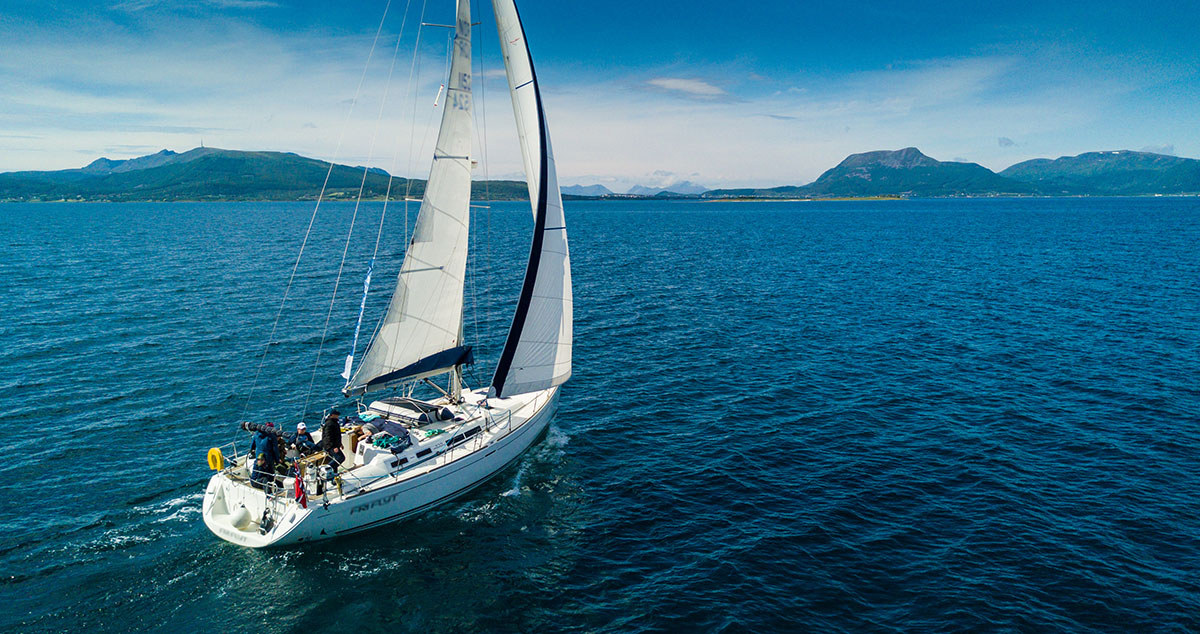
Sailing has been a passion of mine for many years. Beyond the enjoyment of being on the water, I have found that sailing is one of the most practical leadership classrooms available. The lessons it teaches about strategy, patience, and decision making translate directly into professional and personal life. Whether managing a team, navigating a career challenge, or mentoring others, the principles learned on a sailboat can provide guidance and perspective.
Understanding the Environment
Sailing begins with understanding your environment. Wind, tides, and currents all play a role in determining how you move through the water. In leadership, this translates into being aware of your surroundings, team dynamics, and external factors that may impact outcomes.
“On the water, you learn quickly that you cannot control everything,” I often say. “Leadership is the same. Success depends on understanding what you can influence and adjusting to what you cannot.”
Observing and Planning
Successful sailors spend time observing conditions before taking action. They study the wind patterns, tides, and even the behavior of the water. Similarly, leaders need to observe trends, anticipate challenges, and plan accordingly. Taking time to analyze before acting reduces mistakes and improves outcomes.
“Preparation and observation are critical,” I explain. “A well-planned strategy allows you to respond effectively when conditions change.”
Strategy in Action
Every decision on a sailboat involves strategy. Whether choosing the direction to tack or deciding when to adjust the sails, each choice has consequences. Leaders face similar decisions daily, and strategic thinking is essential for success.
Anticipating Challenges
Sailing teaches you to anticipate challenges before they arise. A sudden shift in wind or an approaching storm requires quick, thoughtful action. In professional life, anticipating potential obstacles and preparing solutions can prevent problems from escalating.
“Strategic thinking is about being proactive, not reactive,” I often say. “The more you anticipate, the better you can navigate challenges.”
Balancing Risk and Reward
Every maneuver on a sailboat involves balancing risk and reward. Pushing too hard can result in mistakes, while being too cautious may slow progress. This principle applies to leadership, where decisions often carry uncertainty. Evaluating potential risks and making calculated choices builds confidence and credibility.
“Good leaders weigh their options carefully,” I explain. “They understand the risks but are willing to act decisively when necessary.”
Patience as a Leadership Tool
Sailing requires patience. The wind may not cooperate, currents may slow progress, and conditions may change unexpectedly. Leaders who learn patience can remain composed and thoughtful under pressure.
“Patience is not a passive quality,” I often say. “It allows you to make better decisions and maintain focus during difficult situations.”
Waiting for the Right Moment
Sometimes the best decision is to wait. Whether it is waiting for favorable wind or for a team to be ready, timing is critical. Acting too quickly can lead to mistakes. Leaders who exercise patience improve outcomes and build trust with those they guide.
“Timing matters in leadership just as much as it does in sailing,” I explain. “Knowing when to act can make all the difference.”
Decision Making Under Pressure
Sailing places you in situations where decisions must be made quickly and effectively. A sudden shift in weather or a changing current requires immediate attention. Leaders face similar pressures in the workplace, where decisions often impact teams, projects, and long-term goals.
“Decision making is a skill that improves with experience,” I often say. “The key is to remain calm, assess the situation, and act thoughtfully.”
Learning from Mistakes
No sail is perfect. Mistakes happen, and recovery is part of the process. Resilient leaders treat mistakes as learning opportunities and encourage their teams to do the same. Reflection and adjustment after errors build stronger leaders and more capable teams.
“Every setback teaches a lesson,” I explain. “Learning from mistakes is essential for growth and long-term success.”
Applying Lessons from Sailing
The leadership lessons from sailing are universal. Observation, strategy, patience, and decisive action all contribute to stronger leadership. Applying these lessons in professional and personal contexts can improve performance, team dynamics, and decision making.
Mentoring and Team Leadership
Sailing also provides an opportunity to mentor and develop others. Working together to manage a boat requires communication, trust, and collaboration. Leaders who mentor their teams foster confidence and build stronger relationships.
“Leadership is about bringing out the best in others,” I often say. “Sailing shows you how to guide, support, and challenge people in meaningful ways.”
Conclusion
Sailing is more than a recreational activity. It is a classroom for leadership, teaching lessons in strategy, patience, and decision making. The wind, water, and ever-changing conditions provide a framework for understanding risk, anticipating challenges, and building resilience.
“Every time I sail, I am reminded that leadership is about preparation, observation, and thoughtful action,” I explain. “The lessons learned on the water have shaped how I lead, mentor, and make decisions in every aspect of my life.”
By embracing the lessons of sailing, professionals can strengthen their leadership skills, improve team performance, and navigate challenges with confidence. Just as a skilled sailor adjusts to the wind and currents, effective leaders adapt to change, guide their teams, and move forward with purpose.